Radio Broadcasting: The Death of the Nigerian Superstar Radio Personality
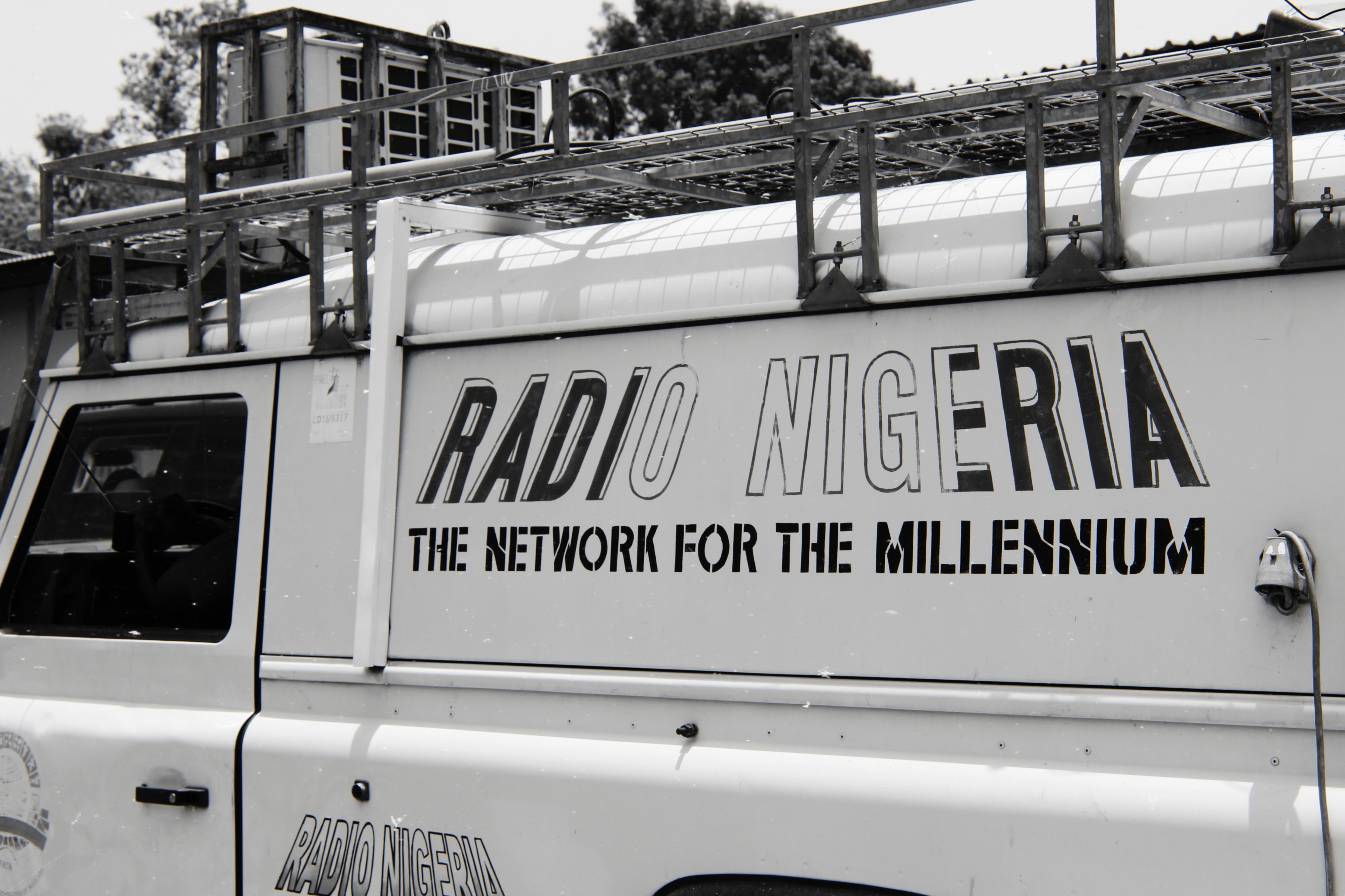
I say this as someone whose entire career sits inside the building I'm about to describe honestly: the Nigerian superstar radio personality, the OAP whose voice alone could move a city's morning commute before the city had even finished waking up, is dying. Most of the industry is still treating it like a bad quarter that'll correct itself, rather than what it actually is: a structural shift in who gets to hold a city's attention, and on whose terms.
We used to be the algorithm
There was a version of Nigeria, not that long ago, where one voice on breakfast radio could set an entire city's emotional and conversational agenda for the day before social media existed to argue about any of it. The OAP wasn't competing for your attention between 7 and 9 a.m. There was traffic, and there was radio, and that was essentially the whole available menu.
That near-total monopoly on morning attention is what built the legends of Nigerian radio, the names that could sell out live shows just by announcing an appearance. It is also, quietly and permanently, the thing that has evaporated and shows no sign of returning.
The money left before the audience fully did
The honest version of this story starts with the balance sheet, not the ratings book. Nigerian radio stations, across the industry, are struggling to reliably cover even basic operating costs: electricity, equipment maintenance, staff salaries, despite radio remaining, genuinely, the most accessible medium for lower-income and grassroots communities who don't have reliable data plans for streaming. That last point matters and cuts against a purely pessimistic reading: radio hasn't lost its audience so much as it's lost its exclusivity over the audience that can afford to go elsewhere.
Meanwhile, the advertising money is visibly, measurably migrating. Nigeria's podcast advertising market alone was projected to reach $2.12 million in 2025, a young, fast-growing river of ad spend that radio effectively built the listening habits for, cultivated the appetite for spoken-word audio content for, and then watched walk out the door into somebody's bedroom studio with a ring light, a Zoom H6, and none of the diesel, transmission licence, or unionised staffing costs a terrestrial station carries.
The personality didn't disappear, it decentralised and got cheaper to produce
This is the part that should worry the industry more than the money, because money problems can sometimes be solved with better sales strategy. Talent flight can't be solved that way. The charisma, the storytelling instinct, the "appointment listening" pull that used to exist almost exclusively inside a radio studio, none of that vanished. It simply relocated to platforms with lower barriers to entry and faster, more direct monetisation.
The comedian doing unfiltered relationship commentary on a YouTube podcast, the former radio voice doing functionally the same job with better lighting and no programme director approving the playlist, the TikTok creator who built a bigger daily engaged audience in eighteen months than most FM breakfast shows accumulate in five years, none of them defeated radio's actual format. They simply proved the format never structurally needed the transmitter tower, the broadcast licence, or the studio overhead.
It only ever needed the voice and a direct line to the listener. And once that direct line became technically and financially available outside the industry, a significant number of the most talented voices simply took it, and nobody currently running a station has produced a convincing answer for why the next generation of talent shouldn't do the same.
My take
I don't think radio itself is finished. I think radio, whether it wants credit for this or not, built the entire audio culture that is now competing with it for the same ears, and there's a strange, almost parental kind of poetry in that if you actually sit with it rather than resent it. But I do think the era of the single, city-defining superstar OAP as we knew it is over, because that title depended entirely on a monopoly over attention that no longer exists in any meaningful sense, and stations pretending otherwise is precisely how they keep losing their best developing talent to a ring light and a free upload button before that talent even fully matures on air.
The stations that are still standing a decade from now won't be the ones mourning that lost monopoly. They'll be the ones who worked out, quickly and structurally, how to remain the place where that same charisma still has somewhere genuinely prestigious to live and grow, even when the audience is listening on its own schedule, through its own earbuds, long after the transmitter has signed off for the night.
BJ Barango
BJ Barango is the Head of Station at Montage 99.7 FM in Abuja and the host of The Capital Morning Show. He writes about governance and the issues that influence civic life in Nigeria in his column, The BJ Barango Report.