NDBA: A Bridge to a New Nigeria
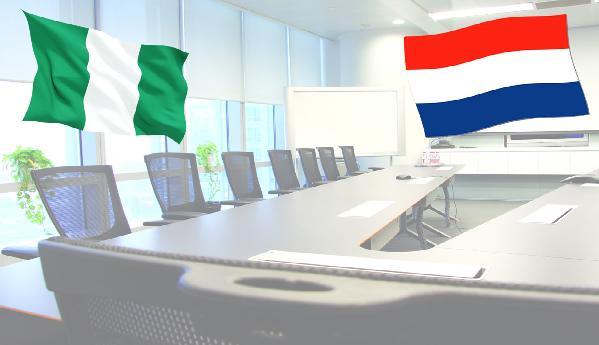
The Nigerian-Dutch Business Association, NDBA, says the Netherlands has the expertise, technology, private-sector capacity and financing mechanisms to support major development projects across Nigeria.
The association says it has already brought together 10 Dutch companies prepared to participate in the development of Nigeria's livestock and dairy value chain.
It has also engaged Dutch companies with the expertise and capacity to support the development of flood-prevention and flood-protection masterplans for Nigeria.
In another initiative, the NDBA says it has worked to facilitate access to approximately 25 million euros in credit financing and grant support for the construction of rural bridges across the country.
But despite these opportunities, the association says many of the initiatives remain stuck at the project-development stage, without progressing to implementation.
Not a shortage of partners
The NDBA says the challenge is therefore not simply a lack of international partners, technology or financing.
Rather, it points to the need for stronger Nigerian institutional ownership, government commitment, project approvals, counterpart structures and transparent implementation mechanisms capable of turning development opportunities into bankable and executable projects.
Speaking in a live interview, the CEO of the Nigerian-Dutch Business Association also stressed that his established connections within the Netherlands give the organisation access to the Dutch companies, expertise and institutions needed to help move these opportunities forward.
He said that, by leveraging those relationships, the NDBA can help connect Nigeria with the right Dutch partners and create a pathway for these projects to move beyond discussions and into implementation.
According to the association, Dutch companies cannot implement projects in Nigeria without credible Nigerian counterparts, clear mandates, the necessary approvals and clearly established project ownership.
It similarly argues that international financing cannot be activated simply because a viable project idea exists. The necessary governmental, technical and financial structures must first be put in place.
The bridge must be used
For the NDBA, its role is to build the bridge between Dutch expertise and Nigerian development priorities, but that bridge, it says, must be used.
Nigeria, the association argues, needs to move beyond repeated discussions with international partners and towards identifying priority projects, assigning responsible institutions, completing the necessary technical and financial documentation, securing approvals and establishing clear implementation timelines.
The message is clear: the opportunities exist, the partners are available and financing mechanisms can be mobilised, but implementation requires clear Nigerian ownership and institutional commitment.
Without that, the NDBA warns, valuable Dutch expertise, private-sector investment and potential financing could remain on the table while critical challenges in Nigeria's infrastructure, agriculture and climate resilience continue to demand solutions.

Monday Monday Thomas
Sports broadcaster, commentator and analyst with a decade at the forefront of Nigerian sports media. He writes The Center Circle, where the game meets the business, politics and people around it.