Okunde: I Can Bring Nigeria Partners to Boost Food Production
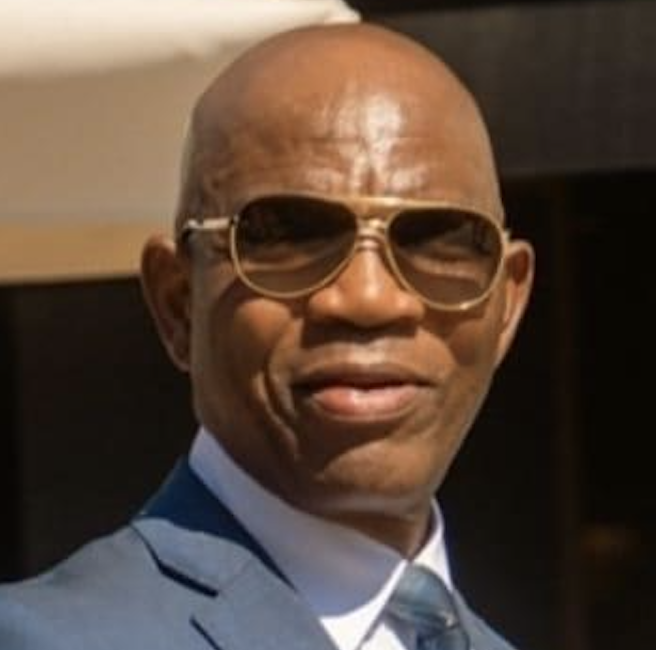
Abuja. Eric Okunde, a prominent international business consultant, entrepreneur and bilateral trade facilitator, has identified infrastructure development, diaspora investment and food security as key areas that should receive greater attention from whoever emerges as Nigeria's president in the 2027 general elections.
Okunde, who serves as the President and CEO of the Nigerian-Dutch Business Association, NDBA, and is based in Eindhoven, Netherlands, made the remarks in an excerpt from an interview during a conversation on Montage 99.7 FM, hosted by presenter BJ Barango.
Responding to a question on what Nigerians in the diaspora would want from the potential winner of the 2027 presidential election, Okunde stressed the importance of creating an environment that can attract investment and encourage Nigerians living abroad to contribute more directly to the country's economic development.
He highlighted the need for modern, state-of-the-art infrastructure, particularly good road networks and up-to-date technology, which he said could help create the confidence required for investors to bring their resources and expertise into Nigeria.
According to Okunde, some Nigerians in the diaspora are hesitant to return home and invest because of concerns surrounding infrastructure challenges, including poor roads, flooding and other negative reports about the country's investment environment.
He said addressing these challenges could help improve investor confidence and encourage more Nigerians abroad to consider Nigeria as a viable destination for investment and business partnerships.
Food security as a national security question
Beyond infrastructure and investment, Okunde identified food security as another major issue that could define the 2027 election conversation. He emphasised the importance of food production to the lives of young Nigerians and linked food security to broader concerns about national security.
According to him, when people struggle to meet basic needs such as food, some may become vulnerable to criminal activities as they seek ways to survive. He therefore argued that significantly increasing food production could contribute to addressing hunger and potentially help tackle some of the conditions associated with banditry and insecurity.
Okunde also offered a possible pathway towards improving Nigeria's agricultural capacity, saying he could help connect the country with Nigerian partners who could support increased food production and the development of mechanised farming.
I can bring Nigerian partners on board to help bolster food production in Nigeria.
He said partnerships of this nature could support more efficient and large-scale agricultural production while creating opportunities for investment, employment and economic activity.
Okunde's comments come as discussions around the 2027 elections continue to focus on the expectations Nigerians have for the next administration, particularly in areas such as economic growth, infrastructure, food security, investment and employment.
For the diaspora, Okunde's position is that creating the right conditions at home could be critical to encouraging Nigerians abroad to return, invest and contribute their expertise and resources to Nigeria's development.

Monday Monday Thomas
Sports broadcaster, commentator and analyst with a decade at the forefront of Nigerian sports media. He writes The Center Circle, where the game meets the business, politics and people around it.