Rivers Governor Fubara presents N1.85 trillion 2026 budget proposal
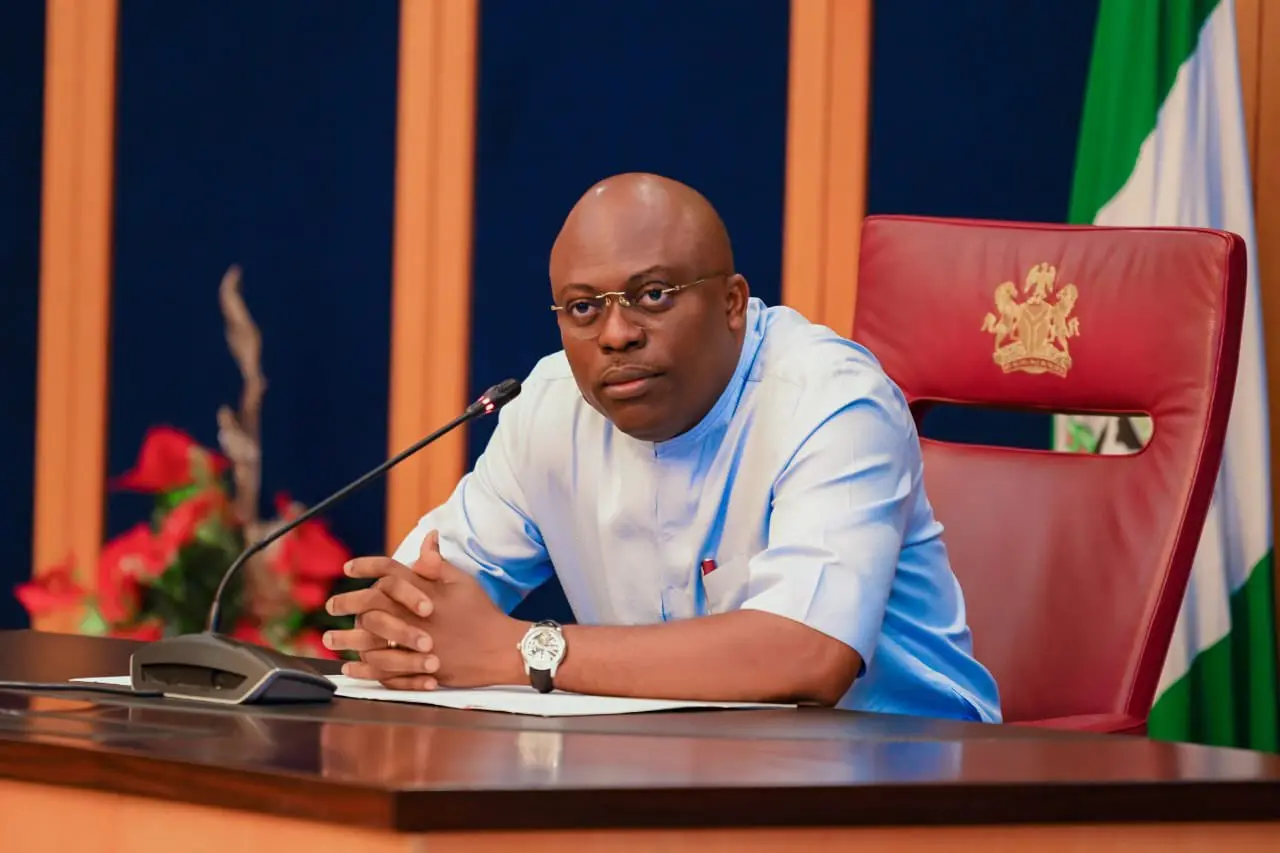
Rivers State Governor Siminalayi Fubara has presented a proposed 2026 budget of one trillion, eight hundred and fifty-four billion naira to the Rivers State House of Assembly.
Tagged the Budget of Resilience for Growth and Development, the spending plan allocates over one trillion, four hundred billion naira to capital projects and four hundred and thirteen billion naira to recurrent expenditure.
The presentation comes two weeks after the House approved the state's 2026 to 2028 Medium-Term Expenditure Framework, which provides the fiscal roadmap for the next three years.
The proposal gives the largest capital allocation to the economic sector with over six hundred and twenty-five billion naira, followed by the social sector with more than four hundred and thirty-five billion naira.
Works and infrastructure received the highest sectoral allocation of over five hundred and thirty-three billion naira, while education is proposed to receive three hundred and fifteen billion naira and healthcare over one hundred and five billion naira.
Other allocations include funding for the Rivers State House of Assembly, the judiciary, agriculture, power, youth development, women affairs, sports, environment, and chieftaincy and community development.
The recurrent expenditure also provides for personnel costs, pensions, gratuities, recruitment, overheads, grants, subsidies, and debt servicing.
Governor Fubara projected that the budget would be financed through internally generated revenue, Federation Account allocations, capital receipts, loans, grants, asset sales, and available balances.
The governor said the projected revenue represents an increase of nearly twenty-five per cent over the 2025 adjusted budget, driven by expected improvements in Federation Account receipts, derivation funds, and internally generated revenue.
Governor Fubara also indicated that the proposal includes a fifty per cent increase in overhead allocations for ministries, departments and agencies, alongside provisions to settle outstanding gratuities and death benefits owed to retired civil servants.


